

 www.thereviewhut.co.uk
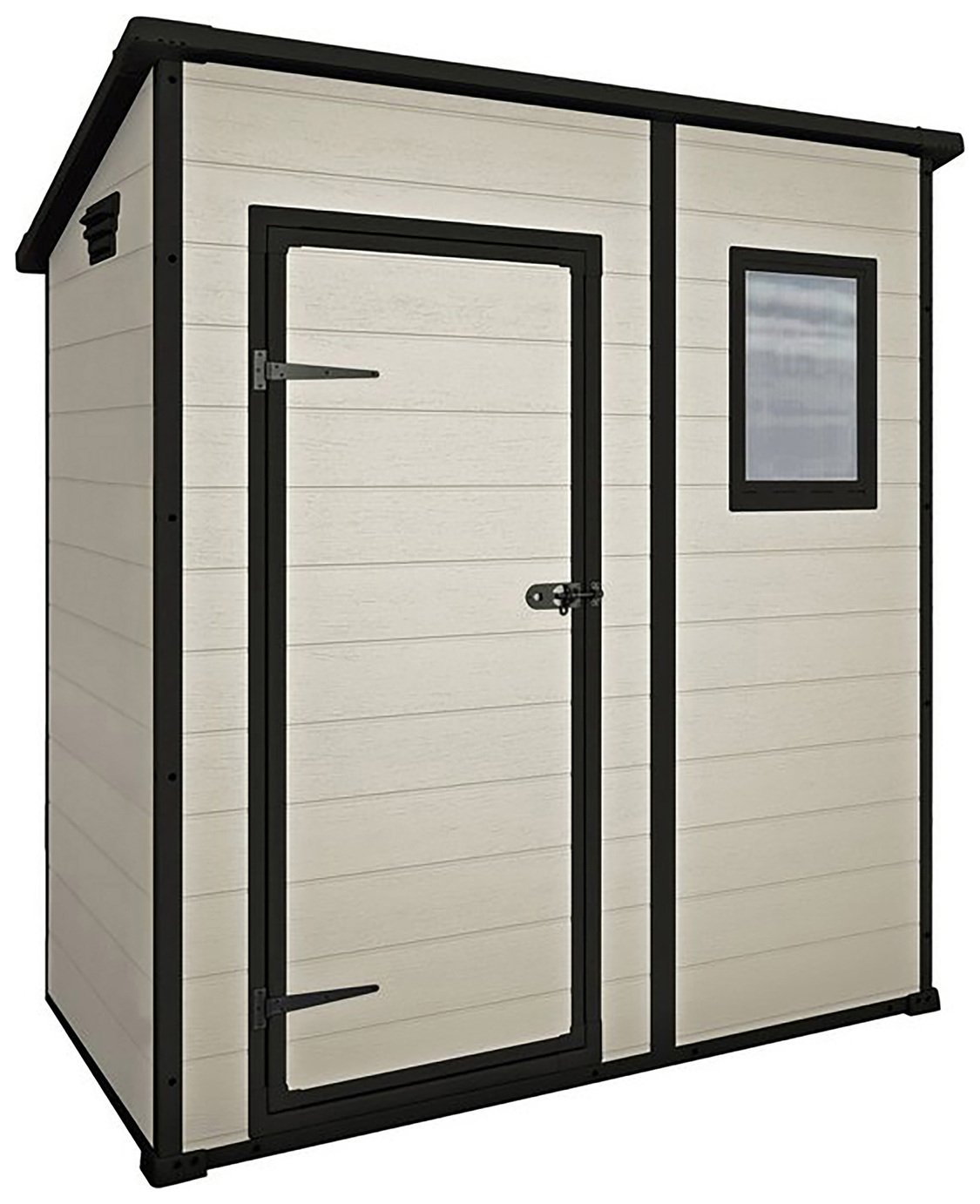
 Opening: Building Your Own Keter-Inspired Shed Are you dreaming of extra storage space in your backyard but put off by the cost of pre-built sheds? Building a shed with a design inspired by Keter's plastic sheds offers a fantastic DIY solution. This guide breaks down the process into manageable steps, allowing you to create a durable and weather-resistant storage space tailored to your needs. We'll focus on a wooden frame construction with optional plastic cladding for a similar aesthetic to Keter sheds.
Step 1: Planning and Design Before you even pick up a hammer, careful planning is essential. Determine Size and Location: Measure the space where you want the shed to be located. Consider local building codes and setback requirements. Decide on the dimensions of your shed based on your storage needs and available space. Create a Detailed Plan: Sketch out your shed design, including the dimensions of the walls, roof, door, and windows (if any). A detailed plan will help you estimate materials and avoid mistakes during construction. Online shed design software or free templates can be helpful. Obtain Necessary Permits: Check with your local building department to determine if you need a permit for your shed. Completing the permitting process before you start building is crucial.
Step 2: Gathering Materials and Tools Now that you have a plan, gather the necessary materials and tools. Lumber: Pressure-treated lumber is ideal for the base and framing, as it's resistant to rot and insects. Use untreated lumber for the roof rafters and wall studs if cladding with plastic. Sheathing: Plywood or OSB sheathing will be used to cover the frame and provide a solid surface for cladding. Cladding (Optional): Plastic siding or panels can be used to mimic the appearance of Keter sheds. Alternatively, you can use traditional wood siding. Roofing Materials: Asphalt shingles, metal roofing, or rubber roofing are common choices for shed roofs. Choose a material that matches your budget and aesthetic preferences. Fasteners: Galvanized nails, screws, and bolts are essential for securing the shed's frame and sheathing. Door and Windows: Purchase pre-made doors and windows or build them yourself. Concrete Blocks or Gravel (for Foundation): Provide a level base for your shed. Tools: You'll need a circular saw, miter saw, drill, level, measuring tape, hammer, safety glasses, and work gloves. A square is essential for ensuring your cuts are accurate.
Step 3: Building the Foundation A solid foundation is crucial for the longevity of your shed. Prepare the Site: Clear the area where the shed will be located, removing any vegetation, rocks, or debris. Level the Ground: Ensure the ground is level. You may need to dig down in some areas or add fill to others. Create the Base: Place concrete blocks or a gravel base to create a level platform for the shed. If using concrete blocks, ensure they are evenly spaced and level. Gravel should be compacted to create a stable surface. Consider a Concrete Slab (Optional): While more involved, a concrete slab provides the most stable and durable foundation.
Step 4: Framing the Walls Now it's time to build the walls of your shed. Cut the Lumber: Cut the lumber to the dimensions specified in your plan. Use a miter saw for accurate cuts. Assemble the Frames: Assemble the wall frames by attaching the studs to the top and bottom plates using nails or screws. Ensure the frames are square. Raise the Walls: Carefully raise each wall frame into place, ensuring it's plumb (vertical). Use temporary braces to hold the walls in place while you secure them to the foundation and each other. Secure the Walls: Attach the wall frames to the foundation using lag bolts or concrete anchors. Connect the wall frames to each other at the corners using screws or bolts.
Step 5: Constructing the Roof Building the roof is a critical step in protecting your shed from the elements. Build the Rafters: Cut the rafters to the specified length and angle. Use a rafter square to ensure accurate cuts. Attach the Rafters: Attach the rafters to the top plates of the walls using nails or screws. Ensure the rafters are evenly spaced and securely fastened. Install Sheathing: Cover the rafters with plywood or OSB sheathing, creating a solid surface for the roofing material. Apply Roofing Material: Install your chosen roofing material according to the manufacturer's instructions. Overlap shingles or metal panels to ensure a watertight seal.
Step 6: Adding the Door and Windows Adding the door and windows will bring the shed to life. Frame the Openings: Frame the door and window openings in the walls, ensuring they are the correct size. Install the Door: Install the door in the framed opening, ensuring it swings freely and closes securely. Add hinges and a latch or lock. Install the Windows (Optional): Install the windows in the framed openings, ensuring they are properly sealed to prevent leaks.
Step 7: Cladding and Finishing This is where you achieve the Keter-inspired aesthetic. Install Cladding (Optional): Attach plastic siding or panels to the exterior walls using screws or nails. Follow the manufacturer's instructions for proper installation. Ensure the cladding is properly aligned and overlaps to prevent water intrusion. Alternatively, install your wood siding. Add Trim: Add trim around the door, windows, and corners to create a finished look. Paint or Stain: Paint or stain the shed to protect the wood and enhance its appearance. Consider choosing colors that complement your backyard. Interior Finishing (Optional): Add shelves, workbenches, or other interior features to customize the shed to your specific storage needs.
Conclusion: Your DIY Keter-Inspired Shed Congratulations! You've successfully built your own Keter-inspired shed. By following these steps, you can create a durable, functional, and aesthetically pleasing storage space that will enhance your backyard for years to come. Remember to regularly inspect and maintain your shed to ensure its longevity.
Keter Shed Plans
 kintyana.blogspot.com
 Keter Designer Pent Plastic Garden Shed Reviews
www.thereviewhut.co.uk Keter Shed
 shedsplanskits.com


0 komentar:
Posting Komentar